 11
11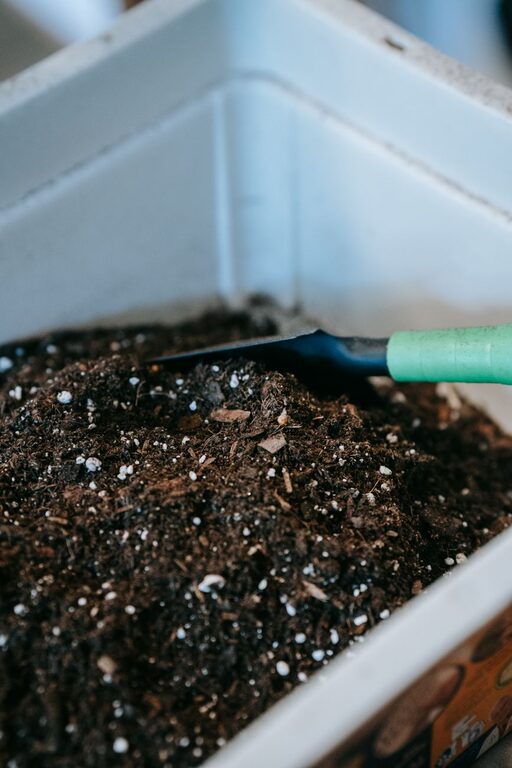
Composting at home is a fantastic way to reduce waste, enrich your garden soil, and contribute to a healthier environment. If you’re new to composting, it might seem a bit overwhelming at first, but with a few simple tips, you can start turning everyday scraps into valuable compost in no time. This guide will walk you through the basics, helping you create a thriving compost system right in your backyard or even in small spaces.
Composting is the natural process of recycling organic materials—like vegetable peels, grass clippings, and leaves—into a rich soil amendment. Microorganisms break down these scraps, producing humus, which improves soil health by adding nutrients and enhancing moisture retention.
– Reduce landfill waste: Food and yard waste make up a significant portion of household trash. Composting keeps these materials out of landfills.
– Enhance your garden: Compost improves soil structure, promotes healthy plant growth, and reduces the need for chemical fertilizers.
– Save money: Using homemade compost means less spending on store-bought soil amendments.
– Help the environment: Composting reduces methane emissions from landfills and supports sustainable gardening practices.
You have several options when it comes to choosing a compost bin:
– Open pile: Simply start a pile in a corner of your yard. This is free but may attract pests.
– Compost tumbler: A sealed container that you can rotate to speed up mixing and aeration. It’s neat and helps control odor.
– Stationary bin: A closed container with ventilation holes, great for keeping pests away and maintaining moisture.
If you’re limited on space, even a small container will work for kitchen scraps, which can be combined with yard waste gathered elsewhere.
Place your compost bin on bare soil outdoors to allow worms and other beneficial organisms to access it. Avoid overly shady or waterlogged spots. Some sun exposure helps speed up decomposition.
Successful composting balances two categories of materials:
– Greens: These provide nitrogen. Examples include fruit and vegetable scraps, coffee grounds, fresh grass clippings, and green leaves.
– Browns: These supply carbon. Examples include dry leaves, straw, paper towels, cardboard, and wood chips.
A good rule of thumb is to aim for about 3 parts browns to 1 part greens. Too many greens can cause odor problems, while too many browns slow down decomposition.
Avoid adding these items to your compost pile at home:
– Meat, fish, dairy, and oily foods (can attract pests and smell bad)
– Diseased plants or weeds that have gone to seed (may spread disease or weeds)
– Pet waste from carnivorous animals (may contain harmful pathogens)
– Synthetic chemicals or treated wood products
Keep a small kitchen bin or compost pail handy to collect your food scraps daily. Empty it regularly into your outdoor compost bin.
Start with a layer of coarse browns like small branches or straw for good aeration at the bottom. Alternate layers of greens and browns, maintaining the proper balance.
Your compost should be about as damp as a wrung-out sponge. If it’s too dry, decomposition slows; if too wet, it can become smelly.
Aeration is key. Use a garden fork or compost turner to mix the pile every 1–2 weeks. This introduces oxygen and helps the microorganisms work faster.
Composting can take anywhere from 2 months to a year depending on conditions. Finished compost is dark, crumbly, and smells earthy.
– Bad smell: Usually caused by too many greens or excess moisture. Add more browns and turn the compost.
– Pile too dry: Add water and mix it in.
– Pile too wet: Add dry browns and mix to improve airflow.
– No decomposition: May need more greens, moisture, or turning.
Once your compost is ready, you can:
– Mix it into garden beds to boost soil fertility.
– Use as a mulch around trees and shrubs to conserve moisture.
– Blend it with potting soil for container plants.
– Chop or shred materials to speed decomposition.
– Keep a small compost bin indoors for kitchen scraps if collecting outdoors is inconvenient.
– Worm composting (vermicomposting) is a great option for small spaces.
– Record what you add and how often you turn to learn what works best.
Composting at home is a rewarding and environmentally friendly habit anyone can start. By following these beginner tips, you’ll reduce waste, create nutrient-rich soil, and enjoy the rewards of a greener garden. Happy composting!