
 11
11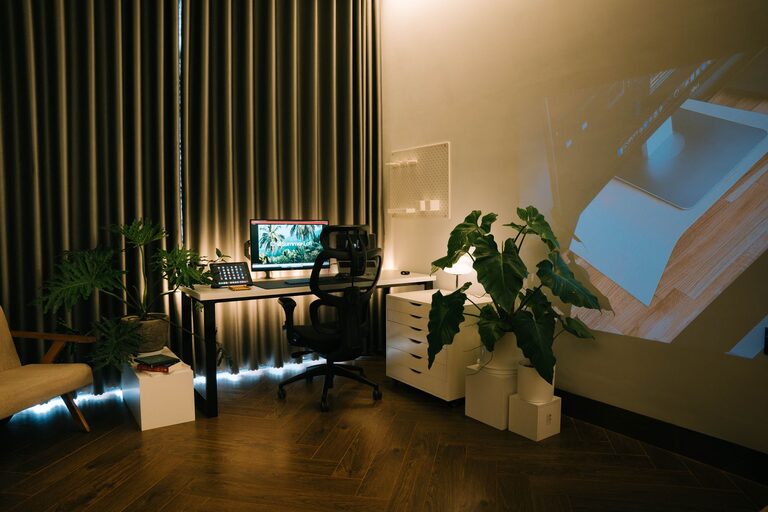
Creating a relaxing home workspace is essential for maintaining focus and minimizing stress while working from home. A calm and comfortable environment not only enhances productivity but also promotes overall well-being. Whether you’re setting up your first home office or refreshing an existing space, these practical tips will help you design a workspace that feels inviting and peaceful.
Working from home offers flexibility but can also blur the lines between work and personal life. A cluttered or uncomfortable setup can increase distractions and stress. By intentionally crafting a relaxing workspace, you can create a clear boundary between work time and downtime, improve concentration, and foster creativity.
Select a spot near a window if possible. Natural light helps regulate your body clock and enhances mood. Position your desk so that sunlight softly illuminates your workspace without causing screen glare.
If your home is usually busy or noisy, try to find a quiet corner or a room with a door. Noise-canceling headphones or soft background music can also help reduce distractions.
A comfortable chair that supports your back and encourages good posture is critical. Pair it with a desk that fits your height and allows enough space for your computer and other essentials.
Consider a standing desk or an adjustable workstation to change your position throughout the day. Movement can help reduce fatigue and improve focus.
Colors like soft blues, greens, or neutrals tend to create a peaceful atmosphere. Avoid overly bright or harsh colors that may be distracting or stressful.
Include items that make you feel relaxed, such as a small plant, artwork, or meaningful photos. Keep decorations minimal to prevent clutter.
A clean workspace helps clear your mind. Use storage solutions like shelves, drawers, or boxes to keep supplies tidy.
Arrange your desk so frequently used items are within easy reach, which reduces unnecessary movement and distraction.
Plants improve air quality and add a natural, calming element to your space. Choose low-maintenance varieties like succulents or snake plants.
If you enjoy scents, a subtle diffuser with essential oils like lavender or eucalyptus can create a soothing environment. Make sure scents are mild to avoid irritation.
Use adjustable lighting to avoid eye strain. Desk lamps with warm tones provide soft illumination, while overhead lights can brighten the room when needed.
Having clear start and end times helps maintain work-life balance. Use your workspace only during work hours to train your mind to associate it with productivity.
If space allows, set up a small spot nearby for short breaks. Stretch, meditate, or simply relax away from your desk to recharge.
Follow the 20-20-20 rule: every 20 minutes, look at something 20 feet away for 20 seconds. This reduces eye strain and refreshes your focus.
Keep water and healthy snacks nearby. Good nutrition and hydration support concentration and energy levels.
Designing a relaxing home workspace doesn’t require a big budget or extensive renovations. Small, thoughtful changes can transform your area into a calm and inviting place to work. By focusing on comfort, organization, and ambiance, you’ll create an environment that supports productivity and well-being every day.