 11
11
Planning balanced meals doesn’t have to be overwhelming or time-consuming. With a little preparation and some helpful strategies, you can enjoy nutritious meals that satisfy your taste buds and support your health—all without added stress. This guide will walk you through simple steps to create balanced meals that fit seamlessly into your daily routine.
A balanced meal contains the right portions of different food groups that provide essential nutrients. Typically, a balanced meal includes:
– Protein: Supports muscle repair and growth (e.g., chicken, beans, tofu)
– Carbohydrates: Provides energy (e.g., whole grains, potatoes, fruits)
– Vegetables: Supplies vitamins, minerals, and fiber
– Healthy fats: Supports brain health and hormone production (e.g., olive oil, nuts, avocados)
– Optional: Dairy or dairy alternatives for calcium and vitamin D
Understanding this basic structure can make meal planning feel more straightforward.
Before starting meal planning, set achievable goals. Do you want to cook more at home, reduce food waste, or try new recipes? Clear goals help you stay motivated and focused.
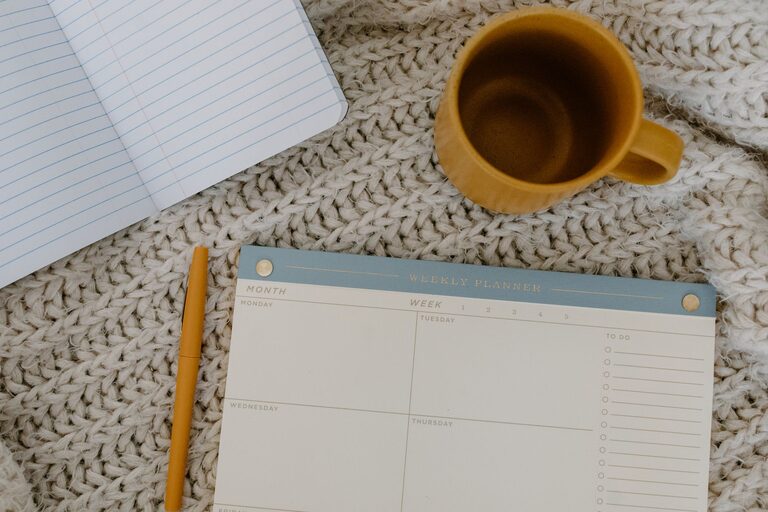
Planning your meals ahead can reduce decision fatigue and last-minute unhealthy choices.
After planning, create a grocery list organized by food categories (produce, proteins, pantry items). This helps streamline shopping and reduces impulse buys.
Tips for a stress-free grocery list:
– Use apps or digital notes for easy access.
– Stick to your list but allow a little flexibility for seasonal produce or sales.
– Include staples like olive oil, spices, and canned beans for quick meals.
Meal prepping can save time and reduce stress during busy weekdays.
– Chop vegetables in advance: Store them in containers for salads or stir-fries.
– Cook grains ahead: Prepare quinoa, rice, or pasta and refrigerate.
– Batch cook proteins: Roast chicken or cook beans in bulk.
– Portion snacks: Divide nuts, fruits, or yogurt into servings.
Meal prep doesn’t mean cooking everything in one day—start small and find what works for you.
You don’t need complicated recipes to eat balanced meals. Focus on simple dishes with flexible ingredients.
Examples include:
– Stir-fry with mixed vegetables, protein, and brown rice
– Grain bowls topped with roasted veggies, beans, and avocado
– Omelets filled with spinach, tomatoes, and cheese
Don’t hesitate to swap ingredients based on preferences or what’s available.
Balanced eating also involves paying attention to hunger and fullness cues. Eat when you’re hungry, stop when satisfied, and enjoy variety to keep meals enjoyable.
– Keep a list of favorite meals: Rotate them regularly.
– Use frozen vegetables: They are nutritious and convenient.
– Don’t aim for perfection: It’s okay if every meal isn’t perfectly balanced.
– Stay hydrated: Drinking water supports digestion and overall health.
Planning balanced meals without stress is achievable with a clear plan and simple strategies. By setting goals, organizing your week, prepping in advance, and choosing easy recipes, you can nourish your body effortlessly. Remember, flexibility and listening to your body are key to making healthy eating an enjoyable part of your lifestyle.
Start small, stay consistent, and enjoy the benefits of balanced, stress-free meals every day!