
 11
11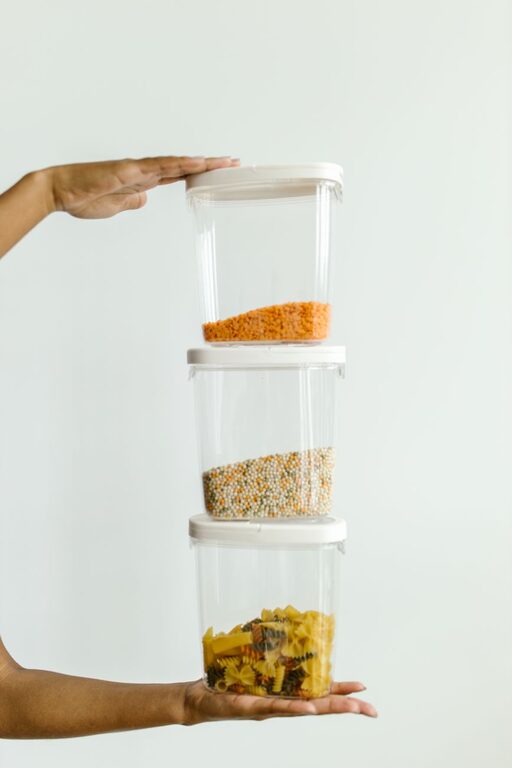
Planning meals from pantry staples is a smart way to simplify your weekly cooking, save money, and reduce food waste. With a well-stocked pantry and a little creativity, you can whip up tasty and nutritious meals without needing to run to the grocery store every time. In this post, we will explore how to organize your pantry, choose versatile staples, and turn them into satisfying meals for your family.
Using pantry staples for meal planning has several benefits:
– Convenience: Knowing what you have makes meal prep quicker and easier.
– Savings: Buying staples in bulk and on sale is cost-effective.
– Reduced Waste: Using what’s already in your pantry means less food tossed out.
– Less Stress: No last-minute trips to the store or guessing what to cook.
By focusing on pantry staples, you can build a foundation of ingredients that suit many recipes and cooking styles.
Before meal planning, it’s important to organize your pantry so you know exactly what you have.
– Clear Out Expired Items: Check for expired or stale products and toss them.
– Group Similar Items: Keep canned goods, grains, baking supplies, and spices in separate sections.
– Use Clear Containers: Store dry goods like pasta, rice, and beans in airtight clear containers for visibility and freshness.
– Label Everything: Even if containers are clear, labeling helps keep things tidy.
– Keep a Pantry Inventory List: Maintain a list of items and quantities for easy reference.
An organized pantry makes meal planning faster and helps prevent duplicate purchases.
If you are preparing your pantry for future meal planning, consider including these versatile staples:
– Grains: Rice, pasta, quinoa, couscous, oats
– Legumes: Canned or dried beans like black beans, chickpeas, lentils
– Canned Goods: Tomatoes (diced, crushed, sauce), coconut milk, vegetables, broth
– Baking Basics: Flour, sugar, baking powder, baking soda
– Oils & Vinegars: Olive oil, vegetable oil, apple cider vinegar, balsamic vinegar
– Spices & Herbs: Salt, pepper, garlic powder, onion powder, chili powder, dried oregano, basil, cumin, paprika
– Nuts & Seeds: Almonds, peanuts, sunflower seeds
– Other: Nut butters, soy sauce, honey, mustard
These ingredients form the building blocks for many different recipes.
When planning your meals, start by deciding which pantry staples you want to use, then build the menu from there.
– Pick a Protein: Use canned beans, lentils, or peanut butter as a vegetarian protein source or combine with eggs, frozen meat, or dairy.
– Add Vegetables: Use fresh, frozen, or canned veggies to add nutrition and flavor.
– Create a Base: Pair your protein and veggies with grains like rice or pasta.
– Use Sauces and Spices: Enhance your dishes with canned tomatoes, spices, and oils.
– Plan for Leftovers: Cook in larger batches to have ready meals for busy days.
– Chickpea Curry: Use canned chickpeas, coconut milk, canned tomatoes, and curry spices served over rice.
– Pasta with Tomato Sauce: Combine pasta with canned tomatoes, garlic, olive oil, and dried herbs.
– Lentil Soup: Make a hearty soup with lentils, broth, canned vegetables, and spices.
– Rice and Beans: Mix cooked rice with black beans, cumin, and chili powder for a filling meal.
– Peanut Butter Noodles: Toss pasta with peanut butter, soy sauce, vinegar, and a touch of honey for an easy Asian-inspired dish.
Don’t be afraid to experiment by mixing and matching pantry staples. Here are some ideas:
– Swap Ingredients: Use quinoa instead of rice, or chickpeas instead of black beans.
– Add Fresh or Frozen Produce: Incorporate seasonal vegetables or frozen greens for variety and color.
– Use Spices to Change Flavor Profiles: Try different spice combinations to transform the same basic ingredients.
– Make Sauces and Dressings: Whip up quick sauces using pantry staples like mustard, vinegar, honey, or canned tomatoes to add taste and moisture.
Sustainable meal planning means reducing waste and using your resources wisely.
– Practice FIFO: Use First-In, First-Out method to use older pantry items before new ones.
– Freeze Leftovers or Extra Portions: Freeze meals to avoid spoilage.
– Repurpose Leftovers: Transform leftovers into new dishes like soups, casseroles, or sandwiches.
– Batch Cook and Portion: Cook in bulk and divide meals into portions for later use.
– Shop Smart: Buy pantry staples in bulk or from stores that offer minimal packaging.
Meal planning from pantry staples is a practical approach that makes daily cooking easier, more affordable, and less stressful. With a well-organized pantry and a little planning, you can always pull together delicious and nutritious meals even on your busiest days. Start by organizing your pantry, stocking versatile staples, and planning meals around what you have. Over time, you’ll develop a rhythm that helps you save time and enjoy mealtime more.
Remember, there’s no one right way to plan your meals. The key is using the ingredients you have and keeping it simple and flexible. Happy cooking!